

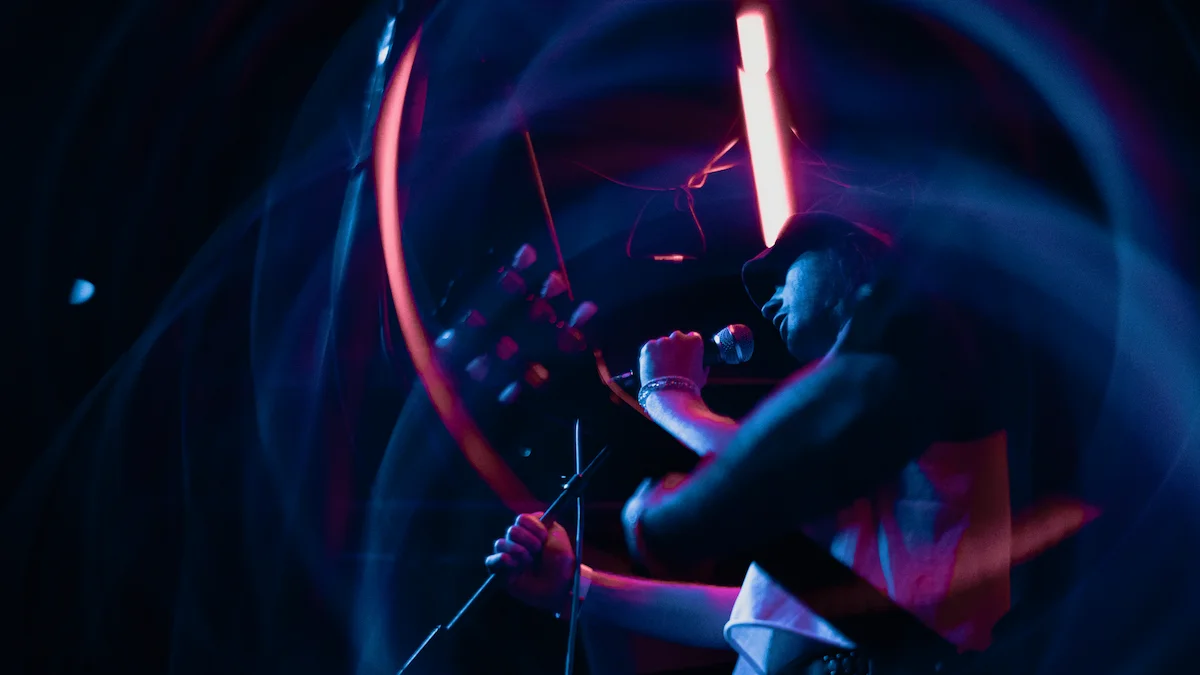
Your Concert Starts Before the Doors Open
Introduction
A great concert starts long before anyone plugs in an amplifier. Before the crowd arrives, someone has to shape the idea, get the right people involved, and give an audience a reason to show up.
For local venues, artists, and promoters in Northern Colorado, that process brings together marketing, graphic design, web design, photography, and videography. Each component has a role in taking a show from an early conversation to a night people remember.
Build an Event Worth Pitching
Before promoting a concert to the public, you need a clear idea to share with the people who can help make it happen.
What kind of show are you creating? Who is it for? Why does this lineup belong at this venue? A benefit concert, an album release, and a community music festival each require a different approach.
A useful pitch explains the concept, proposed date, audience, budget, and what you’re asking of the venue, artists, or sponsors. Supporting visuals can help people picture the experience, whether that means a short presentation, examples of past events, or an initial design direction.
Enthusiasm gets the conversation started. A clear plan helps someone say yes. Unfortunately, “It’s going to be really cool” rarely answers the budget questions!
Confirm the Details Before Making the Announcement
Once people are interested, the practical details need to catch up with the creative ones.
Before publishing promotional materials, confirm the lineup, venue, date, doors and show times, ticket information, age restrictions, and accessibility details. Establish who approves announcements and how artists, sponsors, and venue partners should be credited.
This is also the time to decide what success looks like. Are you trying to sell tickets, introduce a new concert series, raise funds, or bring more people into a local venue?
Those priorities guide the marketing plan. They also help everyone agree on where to spend time and money before the group chat becomes a second full-time job.
Give the Show a Recognizable Look
With the details confirmed, graphic design gives the concert a visual identity.
The poster should communicate the personality of the show while making essential information easy to find. People should be able to identify who’s playing, where it’s happening, when to arrive, and how to get tickets without conducting an investigation.
That design then needs to work across different formats. Printed posters, social posts, vertical stories, email graphics, and venue screens all have different requirements. Resizing one image for every placement can leave important details cropped, crowded, or too small to read.
A coordinated set of graphics also gives artists, sponsors, and community partners something consistent to share. Their audiences may discover the concert in different places, but they should recognize the same event.
Give Every Promotion Somewhere Useful to Lead
Once a poster or video catches someone’s attention, the next step should be straightforward.
A dedicated event page can bring together the lineup, schedule, location, ticket link, parking information, accessibility details, and answers to common questions. For a concert series, a website can also help visitors explore upcoming dates and learn more about the venue or organizer.
Web design matters here because interest can disappear quickly when information is hard to find. A mobile visitor should be able to check the details and reach the ticket page easily.
Before launching promotions, test the links and the ticket process. Nobody should need the persistence of someone buying reunion-tour tickets just to find a local show’s start time.
Build Interest Before Asking for the Sale
Marketing gives people reasons to care about the concert as the date approaches.
Start with the announcement, then develop the story. Introduce the artists, share what makes the lineup interesting, explain the purpose of a benefit show, or highlight the local businesses helping bring the event together.
Photography and videography can support this stage with artist portraits, rehearsal clips, short interviews, and venue previews. Use existing materials with permission, or plan a promotional shoot around what the campaign needs.
A practical marketing schedule coordinates social posts, emails, community outreach, local event listings, and partner announcements. Paid advertising may also have a role when the audience, budget, and goals support it.
Every post should add something useful. Your audience probably remembers that tickets are available after the fourth reminder. They may still need a reason to buy one.
Plan the Coverage Before the Crowd Arrives
Event photography and videography work best when the team understands the priorities before show night.
Discuss the performance schedule, venue rules, available access, lighting conditions, and any restrictions on recording. If recorded interviews or live audio are part of the plan, coordinate those needs with the appropriate people ahead of time.
A short list should include more than the musicians. Crowd reactions, volunteers, vendors, sponsor involvement, and the venue itself help tell the full story of the event.
Think about how the finished work will be used, too. A website banner, a vertical recap video, and a sponsor thank-you post each need different kinds of coverage. Planning for those uses gives the team a clearer purpose than “capture everything,” which is an ambitious assignment for anyone without eight arms.
Keep Communication Clear on Show Day
As doors open, the promotional plan becomes a live operation.
Someone needs to handle timely updates, answer attendee questions, and communicate any changes. Clear information about entry, parking, set times, and ticket availability helps guests arrive prepared.
Meanwhile, photographers and videographers need to coordinate with event staff so they can document the show while respecting performers, crew, and attendees. A brief check-in before the first set can help everyone understand where they need to be.
The audience should get to enjoy the concert while the people behind it keep things moving. Ideally, the only person asking for more noise is the one holding the microphone!
Keep the Connection Going After the Encore
Once the show ends, the photos, footage, and relationships still have somewhere to go.
A thoughtful follow-up can thank attendees, recognize artists and partners, and share moments people will want to revisit. A recap video can capture the energy of the evening, while a photo gallery gives performers, sponsors, and guests something meaningful to share.
Those assets can also support future event pitches, website updates, and announcements for the next show. If you report results to partners, use confirmed numbers and explain what they represent.
Review the marketing alongside the event itself. Which channels brought people to the ticket page? What questions kept coming up? What would make the next concert easier to promote? Those answers give the next event a more informed starting point.
Bringing Every Part Together
At Yellowspark Studio, we offer marketing, photography, videography, graphic design, and web design to help Northern Colorado events come together with a clear story and a coordinated plan. We also provide wedding photography and videography, where thoughtful preparation and attention to once-in-a-lifetime moments matter just as much. Whether you need a poster for an upcoming concert, a team to document the night, or support promoting a full event series, we take the time to understand what you’re creating and how we can help bring people together.
More from the studio
Insights and stories from our creative work
What clients say
Real feedback from brands we've worked with



Questions
Find answers about our creative process and how we approach projects
Listening is where real understanding begins. When we truly hear what a client needs, we can create work that actually solves their problem instead of just looking good.
We ask questions in discovery, we pay attention to feedback during development, and we stay curious about what our work actually accomplishes. Listening isn't just at the start—it's throughout the entire process.
That's where listening gets interesting. We ask better questions to help them discover what they actually need. Sometimes the best ideas come from helping clients articulate what they've been feeling all along.
Listening upfront saves time later. When we truly understand the vision, we make fewer wrong turns and need fewer revision rounds. The investment in listening pays off in efficiency and better results.
Yes. Whether it's a small social media campaign or a complete brand overhaul, listening is the foundation. The scale changes, but the principle stays the same.
Want to talk more
Let's discuss how we can bring this approach to your next project
Ready to create something bold
Let's talk about your next project and see if we're the right fit